
CONTENTS
Duffel Bag or Backpack: How To Make The Right Choice
Check out our cabin bag collection
View All


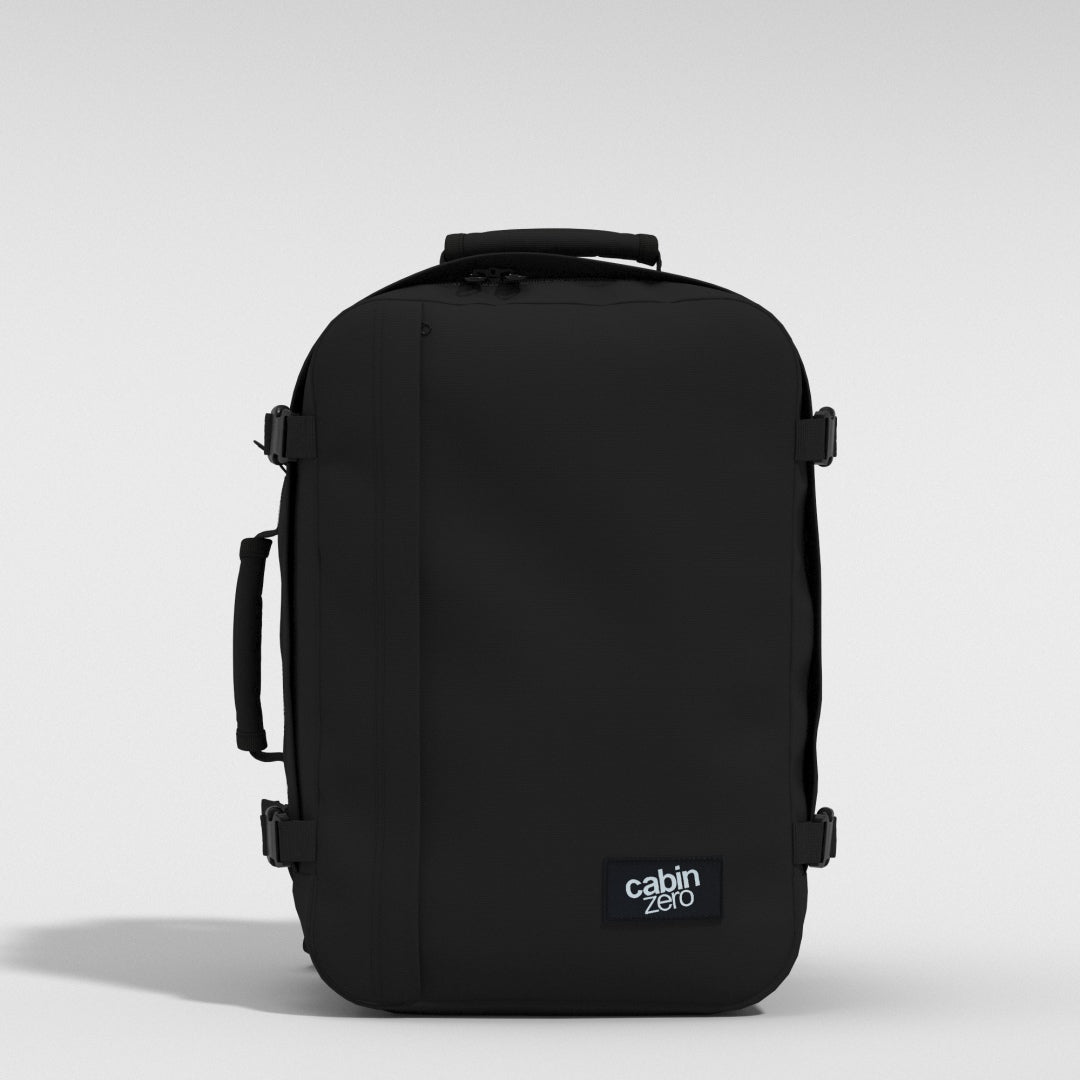

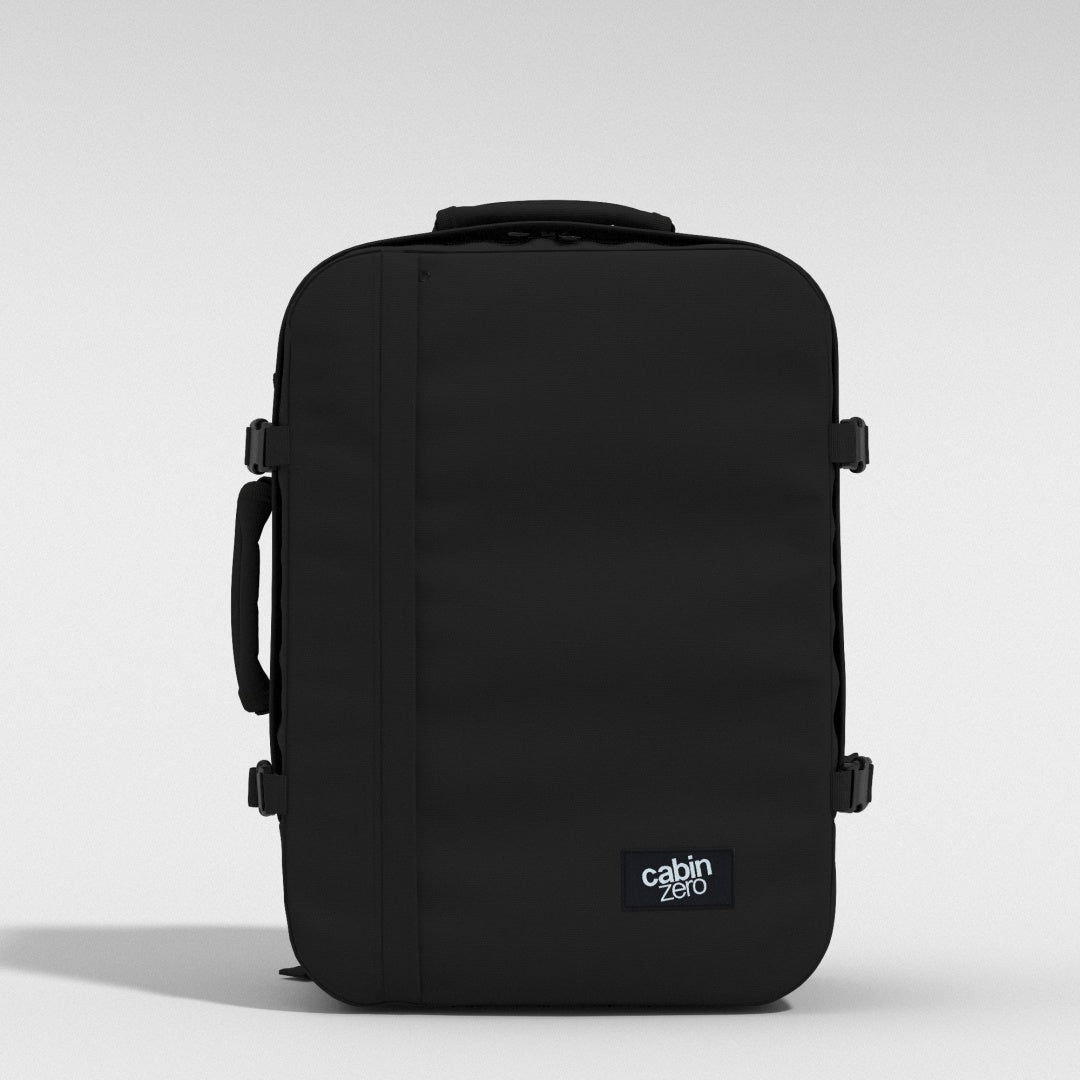

Cabin Backpacks - Made for All Airlines
View AllPack It All In
View All


Struggling to decide between a duffel bag or backpack for travel? It is the classic packing question every traveller asks. Whilst backpacks are great for staying mobile, duffel bags make packing and accessing your gear much easier. The best option depends on your destination, travel style, and packing needs. Read on as we compare both across capacity, comfort, cabin friendliness, organisation, and more.

Each has its own pros and cons.
Duffel Bag or Backpack - Quick Guide
|
Factor |
Duffel Bag |
Backpack |
|
Best for |
|
|
|
Travel convenience |
|
|
|
Capacity |
|
|
|
Organisation |
|
|
|
Security |
|
|
|
Carry comfort |
|
|
Choose a Duffel Bag if you:
-
Pack bulky items like shoes, jackets, or sports gear.
-
Travel mostly by car or train.
-
Need quick access to your belongings.
-
Prefer a simple, open storage space.
-
Take short weekend trips.
Choose a Backpack if you:
-
Walk a lot during your trips.
-
Use public transport or fly frequently.
-
Carry a laptop, camera, or daily essentials.
-
Want comfort for longer periods.
-
Need a bag that works for travel and everyday life.
Choosing a Duffel Bag or Backpack for Travel
On the surface, duffel bags and backpacks offer tons of room for your gear, but they are built differently. The main difference really comes down to their structural design and how you carry them.
-
The classic duffel is one expansive main compartment. You zip it open, toss in your bulky gear or clothes, and go. Being soft and flexible, they're ideal for cramming into full car boots or packed overhead lockers.
-
A backpack, on the other hand, spreads the weight evenly across both shoulders and leaves your hands free. This makes it easier to navigate airports, board trains or explore city streets. Backpacks also prioritise organisation, with dedicated laptop sleeves, mesh pockets for cables and gadgets, and several compartments to keep your essentials within easy reach.
The choice between a duffel bag or backpack usually comes down to several factors, from actual capacity and comfort during long carrying, to packing organisation. Whether you’re choosing between a backpack or duffel bag for carry-on use or general travel, here's how the two options compare.
Choosing A Duffel Bag Or Backpack For Travelling?
To pick the right travel bag, just ask yourself a few quick questions about your destination, transport, and packing habits.
Trip Duration

Long journey ahead? Your shoulders will thank you for choosing a supportive backpack.
When comparing a duffel bag vs backpack, the length of your trip can tip the balance.
For weekend getaways, a duffel bag is tough to beat thanks to its sheer capacity.
When speed, space and simplicity matter, this is the bag frequent travellers reach for. It lets you pack a few days' worth of clothes and hit the road in minutes. If your weekend plans call for a heavy jacket or an extra pair of shoes, the duffel’s cavernous compartment also wins every time.
However, one major drawback of a duffel bag is how uncomfortable it is for long walks, especially when you carry it by hand or on a single shoulder. This will turn your long walks through massive airports like London Heathrow into a real workout.
The longer your journey, the more you'll appreciate a solid backpack.
A backpack changes the game with supportive hip belts and padded straps that make carrying a full load over long periods much easier. On a multi-week trip with plenty of walking, that extra support can make carrying your bag more comfortable.
Even with padded straps, a duffel will never match the ergonomics of a decent backpack.
Check out our CabinZero Cabin Bags collection to explore lightweight, carry-on-approved backpacks built for your next adventure.
Usable Capacity
Have you ever noticed how a 50-litre duffel seems to fit much more than a 50-litre backpack? When it comes to raw volume, backpacks and duffels deliver space very differently.
A backpack makes better use of the space you have, with compartments and structure helping you keep essentials organised and easy to reach. However, they also use some of their space for back padding, laptop slots, built-in compartments, and other features.
A duffle gives you more freedom to fill every inch. A simple duffel just strips all of the pockets away, giving you 100% uninterrupted room for bulky items and awkward gear without working around compartments or structure.
Packing Organisation
If you’re the type who loves a place for everything, a backpack is your best friend. With dedicated sleeves for laptops, tech, and bottles, you can grab what you need in seconds without rummaging through your stuff.
By contrast, a standard duffel is essentially one cavernous space, without pouches or packing cubes. This means it can easily turn into a chaotic black hole if you don't use any external organisers.
Carry-on Compatibility

As a cabin bag, a structured backpack plays it safe whilst a stuffed duffel might test its luck.
Duffels and backpacks can work as carry-ons on most airlines. If your main goal is to travel light and bypass the baggage carousel, sticking to airline’s size limits is key.
But the question is: which one is easier to keep within the limits? The answer usually comes down to their structural predictability. In other words, how well the bag holds its shape when fully packed.
Most airlines allow around 56 x 36 x 23 cm for a cabin bag, but low-cost carriers often have tighter restrictions. Backpacks can be easier to keep within fixed dimensions because they reliably hold their shape. The structured frame keeps a backpack from bulging outward so you can pack right up to the limit.
CABINZERO 28L backpacks are specifically built to meet under-seat and personal-item limits on most flights. That includes clearing the super strict size rules on budget airlines like Ryanair and easyJet, where every single centimetre counts. Their structured shape guarantees a smooth fit in metal sizers. Without a rigid frame, a duffel can quickly bulge out of control if you pack too much, and this usually means you risk having the bag checked at the gate.
The Verdict: When choosing the right backpack or duffel bag for carryon compliance, you have two choices: a soft duffel you promise not to overpack or a structured backpack that gets the dimensions right from day one.
How Will You Get Around?
Whether you choose a backpack or duffel for travel, think beyond the airport.
Consider how much walking you will actually be doing with your bag between train stations, hotels, and sights.
A good backpack is unbeatable when you need to cover long distances on foot. The design distributes weight evenly to save you from sore shoulders on long day trips. Having both hands free to grab a coffee, check directions on your phone, or hold onto train handrails makes your life so much easier.
If your journey moves smoothly from the car boot straight into the hotel lobby with minimal walking, a duffel bag is a better choice. Since you won't be carrying it long distances, not having supportive straps is no big deal. It's a simple and convenient companion for straightforward trips.
Safety

A simple TSA lock adds some extra peace of mind.
Safety is another factor to consider when choosing a backpack or duffel bag for travel. You can easily find a decent backpack with all of these built-in features: hidden pockets, lockable zips, slash-proof materials, and RFID protection. These anti-theft features give you extra peace of mind when travelling through crowded streets, transport hubs or unfamiliar places.
On the other hand, security can be a concern with duffel bags. That single top zip makes it pretty easy for someone to reach in when you're not looking, unlike a backpack with its layered zips and hidden pockets.
For grab-and-run thieves, backpacks are, again, the winner. When you've got two straps of the backpack locked over your shoulders, you make life tougher for thieves. A duffel slung over one shoulder or sitting by your feet? It's too easy for someone to walk off with it whilst you're checking your phone.
Best Travel Scenarios for Duffel Bags vs. Backpacks
Whilst both bags have their perks, certain travel styles naturally favour one over the other. Use the guide below to find the option that best matches your journey.
|
Travel Type |
Duffel or Backpack |
Why it works |
|
Weekend getaway |
Duffel Bag |
It's roomy, easy to pack, and perfect for short trips. |
|
Day hikes and trekking |
Backpack |
Superior comfort for hiking and active travel. |
|
Gym and sports travel |
Duffel Bag |
Ideal for carrying bulky workout gear and a change of clothes. |
|
Multi-week backpacking |
Backpack |
Built for long-distance comfort and efficient packing. |
|
Carry-on-only travel |
Backpack |
Fits within most airline cabin baggage limits. |
|
Road trip |
Duffel Bag |
Flexible enough to squeeze into packed car boots. |
|
Digital nomad life |
Backpack |
Great for laptops and tech gear. |
|
Business trip |
Depends on your style |
|
FAQs
Still weighing up your options? Check out our handy FAQs below to clear up any questions about your next travel bag.
1. Can a duffel bag be used as a backpack?
Yes. Some duffel bags can double as backpacks. They feature hideaway shoulder straps that let you wear them like a backpack in seconds. This can be brilliant for short trips. However, these bags don't have plush padding, hip support, or the comfort you'll get from a real travel backpack.
2. Are duffel bags or backpacks better for back pain?
A backpack spreads the load evenly across both your shoulders. This keeps your spine properly aligned and reduces strain on your back and neck. A duffel bag, however, pulls you down on one side. Your body will have to lean awkwardly just to stay balanced. That uneven load can become uncomfortable during longer walks through an airport. If you want maximum comfort, choose a backpack with padded straps and a supportive hip belt to do the heavy lifting.
3. Which bag is better for a 3-day weekend trip?
The best bag depends on your journey. A duffel is always spot-on for road trips, as you can just throw your gear in the boot and go. When you've got a lot of walking to do, like train hopping or long airport walks, a 30L to 40L travel backpack is your lifesaver. The rule of thumb? If you’ll be on your feet for more than 15 minutes, grab a backpack!
4. Is a duffel bag or backpack better as a personal item?
Both do the job, but backpacks usually slide under the seat in front of you more easily. Their shape just fits the space better, whilst overstuffed duffels can easily bulge out and get stuck. Whichever you choose, always check your airline’s personal item size limits first to avoid any unexpected fees.
So, is it better to travel with a duffel bag or backpack?
Choosing the right travel bag comes down to how you travel and your itinerary. Duffels are great for a short weekend trip or a road trip where your bag goes straight from the boot to a hotel room. But if you've got a multi-stop itinerary where you need your hands free to grab a boarding pass or get around by public transport, a backpack takes the hassle out of moving around.
The bottom line? Duffels for capacity and flexibility; backpacks for mobility and organisation. Rather than searching for the best bag, think about how you actually travel and take it from there. Found this helpful? Share it with a travel mate and let us know your pick in the comments. Happy travels!
KELSEY


コメントを残す